
A request for custom tote bags in bulk often arrives as a list of quantities from different teams. Before adding those numbers, ask what is supposed to be on each bag. Three teams ordering the same design and three teams each asking for its own name are different jobs, even when the total number of bags is identical.
The face of one bag defines one version
Draw a rectangle for each proposed front. Write in every word that a person carrying that bag ought to see. Include small partner names and text near the bottom. If one rectangle differs by a single word, set it aside as a separate version for now. This simple exercise can uncover a variation that is almost invisible in a spreadsheet headed with just the event name.
Look at the bag carrying four range names. All four appear below one headline, so each unit can carry the whole message. This differs from printing the same headline four times and changing the small line each time. The useful question for a buying team is whether someone representing one range would be happy to hand out a bag that names all the others.
The quantity sheet follows the approved fronts
Give each distinct rectangle a short version name and a column on the quantity sheet. Enter the bags wanted by each team against the relevant version. Add down the columns before adding across the final row. Keep two teams in the same column if their printed faces match, even if their internal cost centres are separate. Keep different fronts in separate columns even when they use the same ink.

Check what happens when one team changes its mind. Cross out its row on a working copy. Does the printed artwork also have to change, or does only the total change? The question usually reveals who needs to be consulted next. It also stops a late adjustment to the number for one team becoming an accidental change to everyone’s bag. Send the version totals with the artwork so the printer can assess the actual job.
A common name list deserves a final proof
Ask each team to check its own spelling in the final line. Then ask one person to read the complete line from left to right on a paper proof at the intended size. Separate approvals on four enlarged screen images do not show whether two adjacent names run together on the bag. Look at the spaces and dividers where one name ends and the next begins.
Keep a copy of the final four names as editable text as well as on the proof. A team can search for its approved spelling without retyping anything from an image. If the team changes a name after the proof was signed, mark the common design for another approval. The correction will be visible on every bag in that version, including those ordered by the other teams.
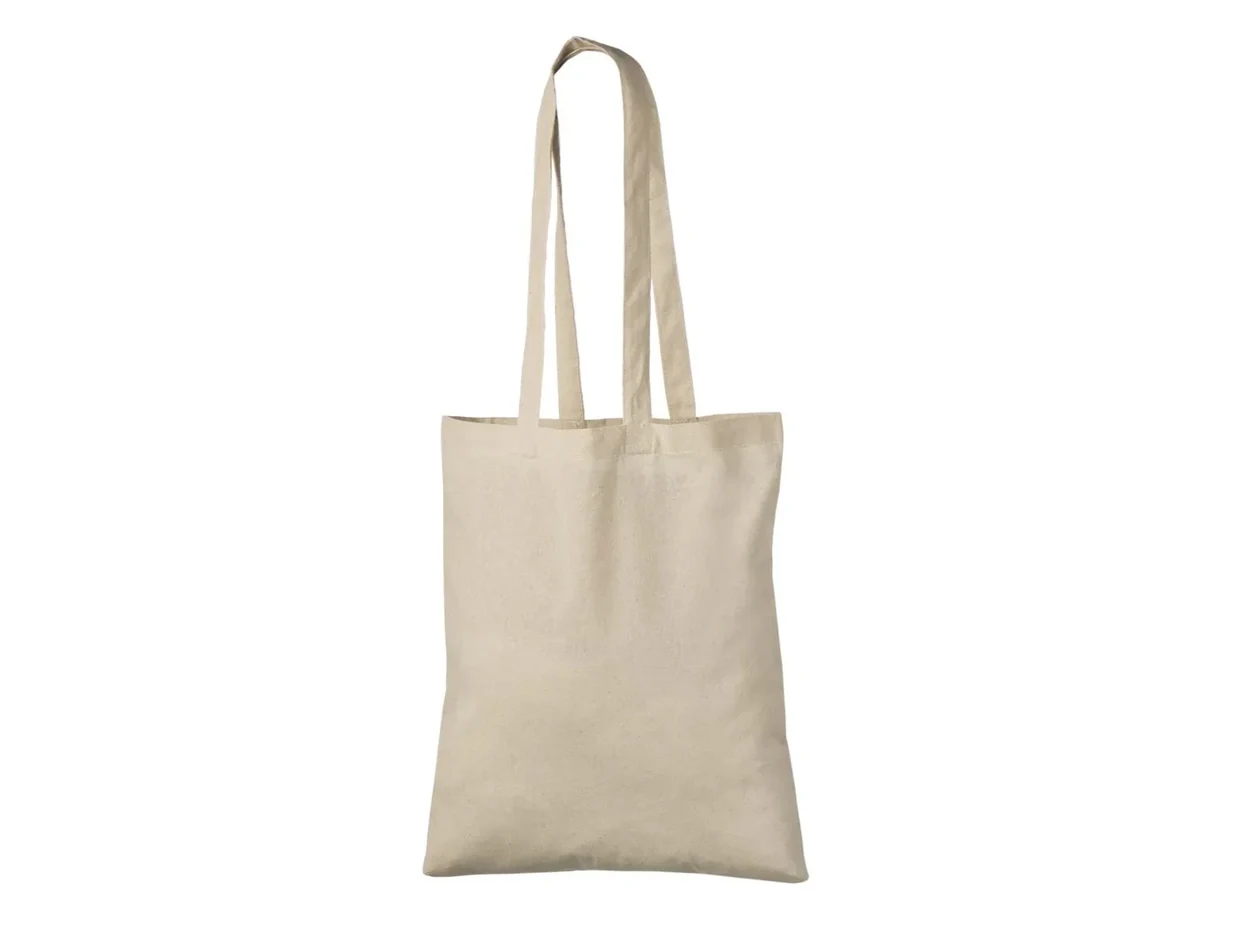
Use the natural long-handled cotton bag as one fixed model when comparing alternatives. Record the bag colour, the number of inks on the front and which approved file belongs to each quantity. If a team needs a different bag model, give that choice its own entry. The custom tote bags range lets teams compare it while the shared artwork remains identifiable. The final handover should let a person outside the project answer two questions from the same sheet. What will one bag say, and how many will carry precisely that version?