
Start with the care label, check the print instructions and clean only as much as the bag needs.
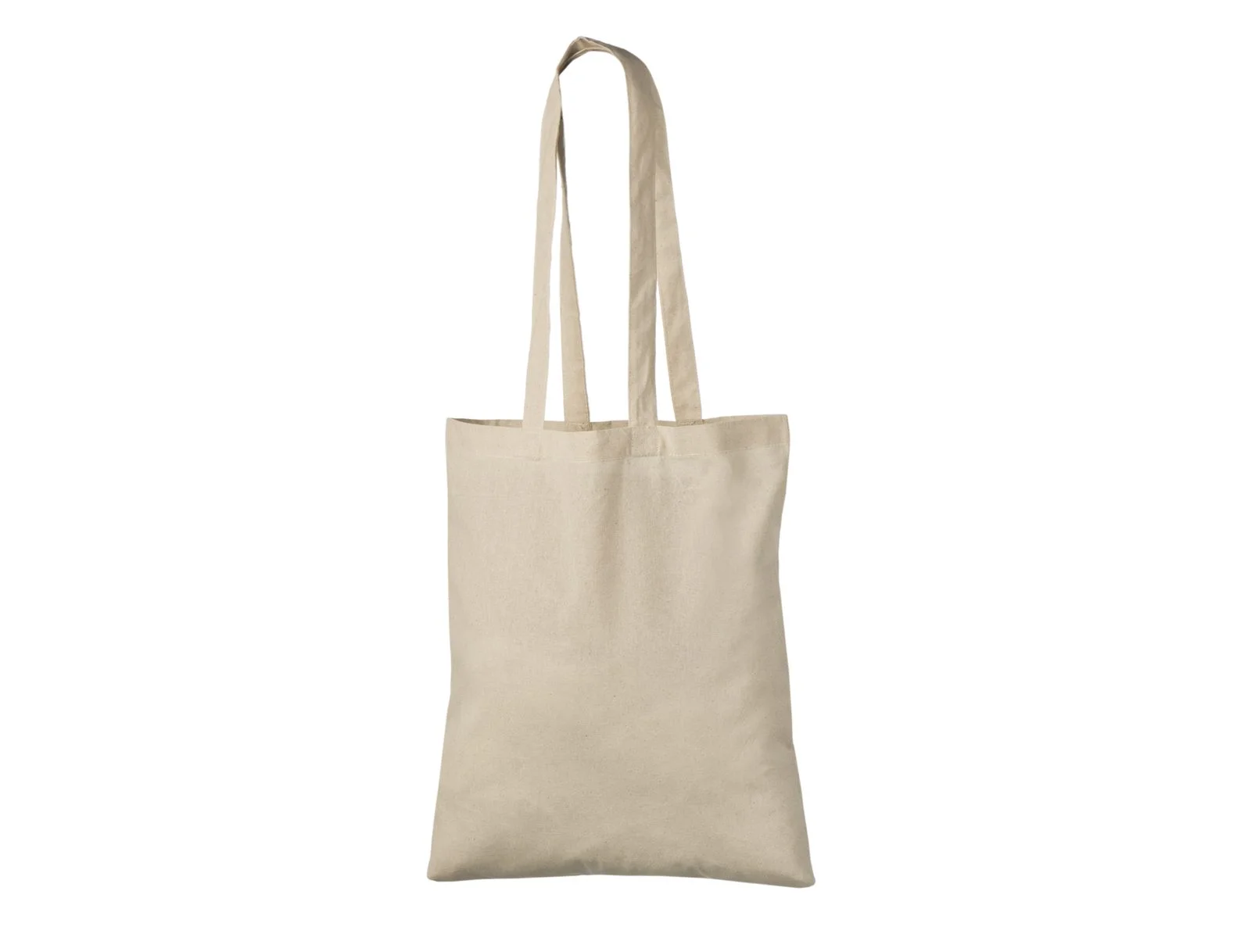
A tote bag can collect marks from everyday use: a dusty floor, a leaking bottle or something packed before it was fully dry. Cleaning it starts with knowing what the bag is made from and what instructions apply to the print.
There is no single washing programme that suits every cotton tote. Fabric, dyes, construction and decoration can differ. Our range includes 100% cotton models and recycled cotton/polyester blends, so instructions for one model should not automatically be applied to another. Use this guide as a checklist: the selected bag’s care label and confirmed print instructions take priority.
1. Read the label before adding water
Check the material composition and care symbols inside the bag. Then check any separate instructions supplied for the printing. The fabric may tolerate a treatment that is unsuitable for the decoration.
If the information is missing or unclear, ask the supplier about your exact model and print. A product photo or a general article cannot confirm the correct wash temperature, drying method or ironing setting for every order.
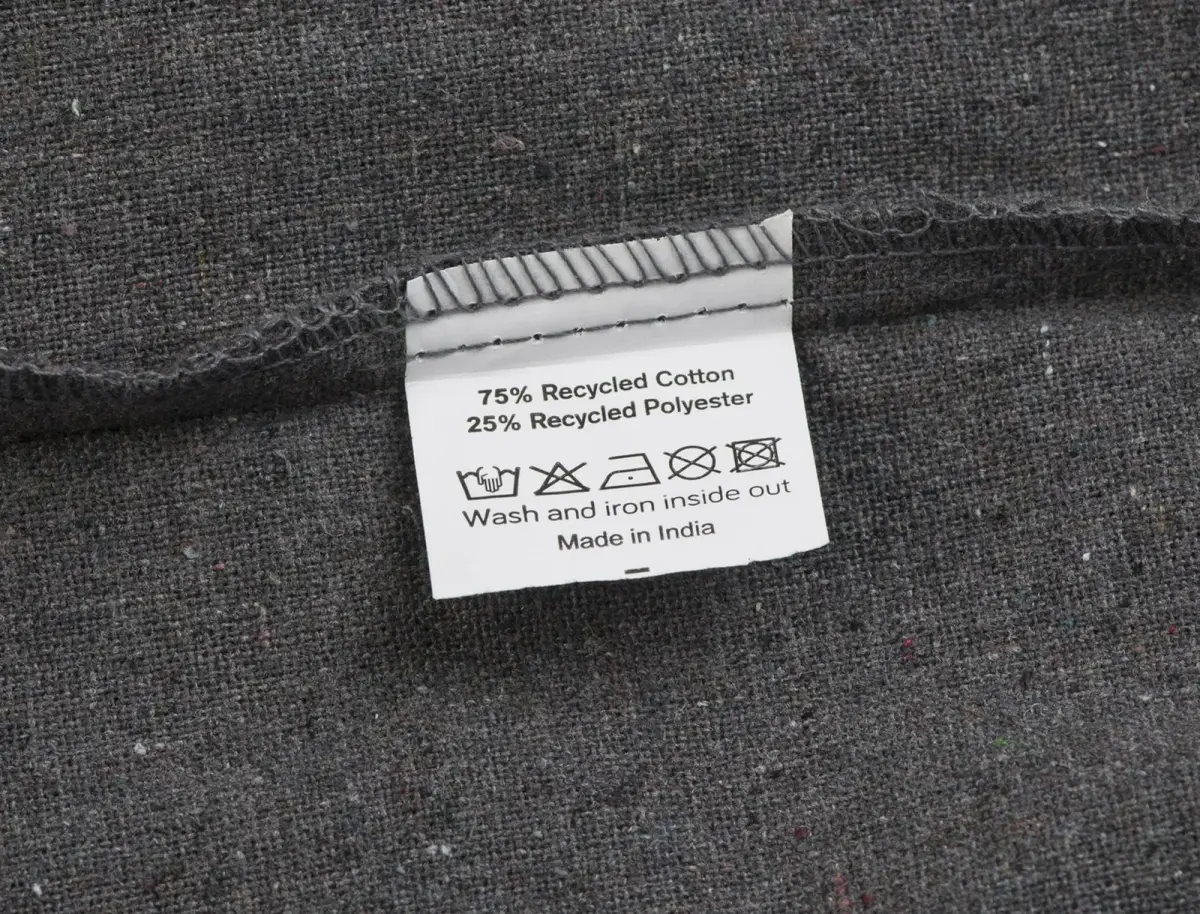
The label shown on our dark grey recycled tote product page identifies a blend of 75% recycled cotton and 25% recycled polyester and instructs the user to wash and iron inside out. This is an example for that model, not a care rule for every bag in the range. Check the label on the bag you receive.
2. Deal with small marks before washing the whole bag
Empty the bag and remove loose dust or crumbs. For a small mark, first check whether the label allows local cleaning. If it does, try a small amount of water and a suitable mild cleaning product on an inconspicuous area, using a soft cloth. Check for colour transfer or a visible change before working on the mark itself.
Blot gently rather than scrubbing the fabric or printed area. Avoid experimenting with bleach, solvents or strong stain removers when their suitability has not been confirmed. A stubborn mark is a reason to ask for guidance, especially on a coloured bag or directly over a print.
Do not soak the entire bag simply because a small part is marked. Use the least extensive cleaning method permitted by the care instructions.
3. Protect both the fabric and the print
Before a full wash, confirm whether machine washing is permitted at all. If it is, follow the stated temperature and programme. Do not assume that a hotter wash will be safe just because the main material is cotton.
Cotton can shrink, and washing may change how the bag sits or how the fabric looks. If precise dimensions matter, for example because the bag holds a particular box, check suitability for washing before using it that way.
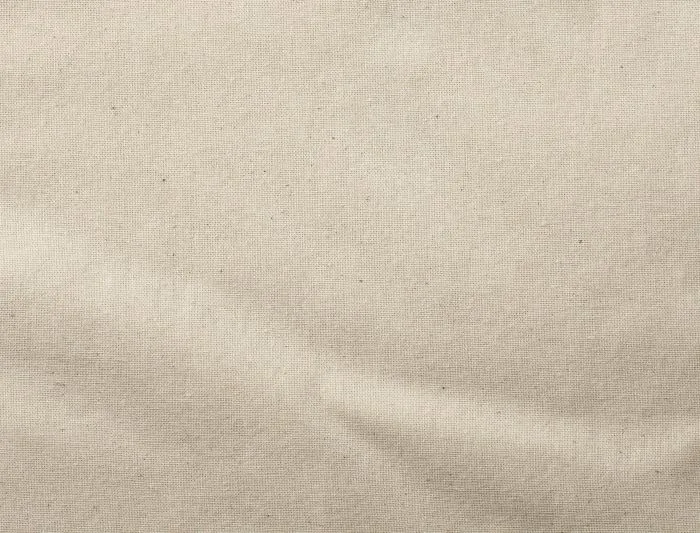
Follow any inside-out instructions for the selected product. Avoid rubbing or folding a printed area aggressively during cleaning. If an additional decoration has been applied after purchase, obtain its care requirements too.
The blank product photos in this guide show the fabric and construction. They do not imply that every printed version has identical care requirements.
4. Check drying and ironing instructions separately
A bag being washable does not automatically make it suitable for a tumble dryer. Check the drying symbol and any print instructions before using heat. Where air drying is permitted, reshape the bag gently and let it dry fully before use or storage.
Ironing is a separate decision. Confirm whether it is allowed and which setting applies. Do not put a hot iron directly onto a printed area unless the supplier has specifically confirmed that method is suitable. An inside-out instruction is not permission to use any temperature.
If the fabric, label and print instructions appear to conflict, ask for clarification and follow the more restrictive applicable guidance until the correct method is confirmed.
5. Store and carry it with care
Put the bag away clean and completely dry. A damp bag left folded in another bag or a closed cupboard can develop odours or mildew. Avoid long storage with heavy objects pressing hard creases into the printed area.
Check the handles and seams from time to time. If a seam is coming loose, stop using the bag for heavy contents until it has been assessed or repaired. Keep sharp corners protected and distribute contents so that one point is not taking all the strain.
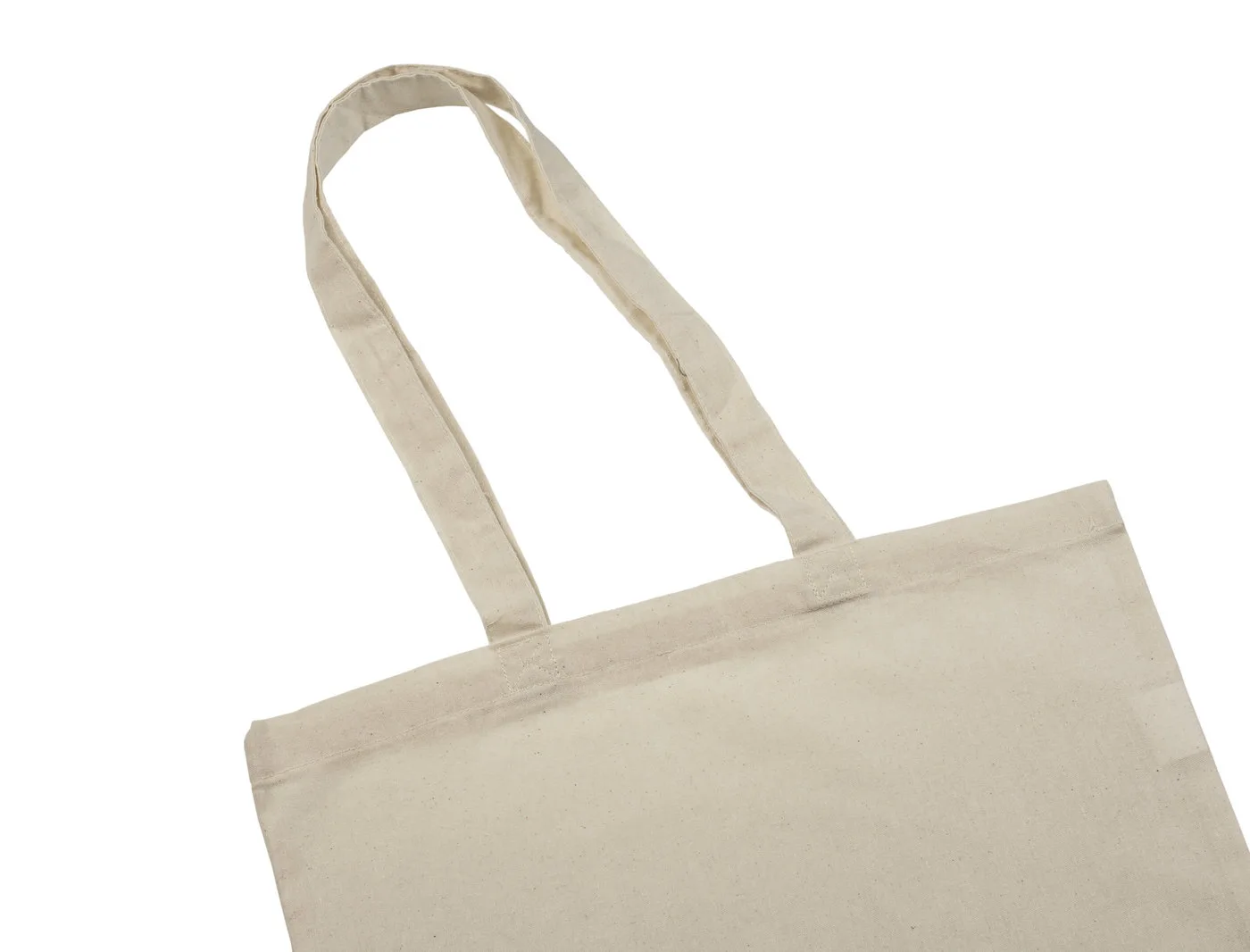
Fabric weight is not a maximum carrying load. A 340 g/m² bag is not automatically suitable for every heavy item, just as a lighter bag should not be judged on thickness alone. Ask about the chosen model if the load is an important part of your brief.
Frequently asked questions
Can every printed cotton tote go in the washing machine?
No. Check both the bag label and the print instructions. If machine washing is not confirmed, do not infer permission from the word “cotton”.
Will a cotton tote keep exactly the same size after washing?
Not necessarily. Cotton may shrink or change shape. Follow the applicable instructions and do not promise a fixed shrinkage percentage without model-specific information.
Can I use the same care instructions for recycled bags?
Only when they are confirmed for that product. Recycled bags may contain blended fibres and can have different construction or decoration.
Get the right care instructions
Ordering bags for staff, customers or an event? Ask for the applicable care guidance alongside the selected model and print, so you can pass accurate instructions to recipients.